ALATA AESTHETICS

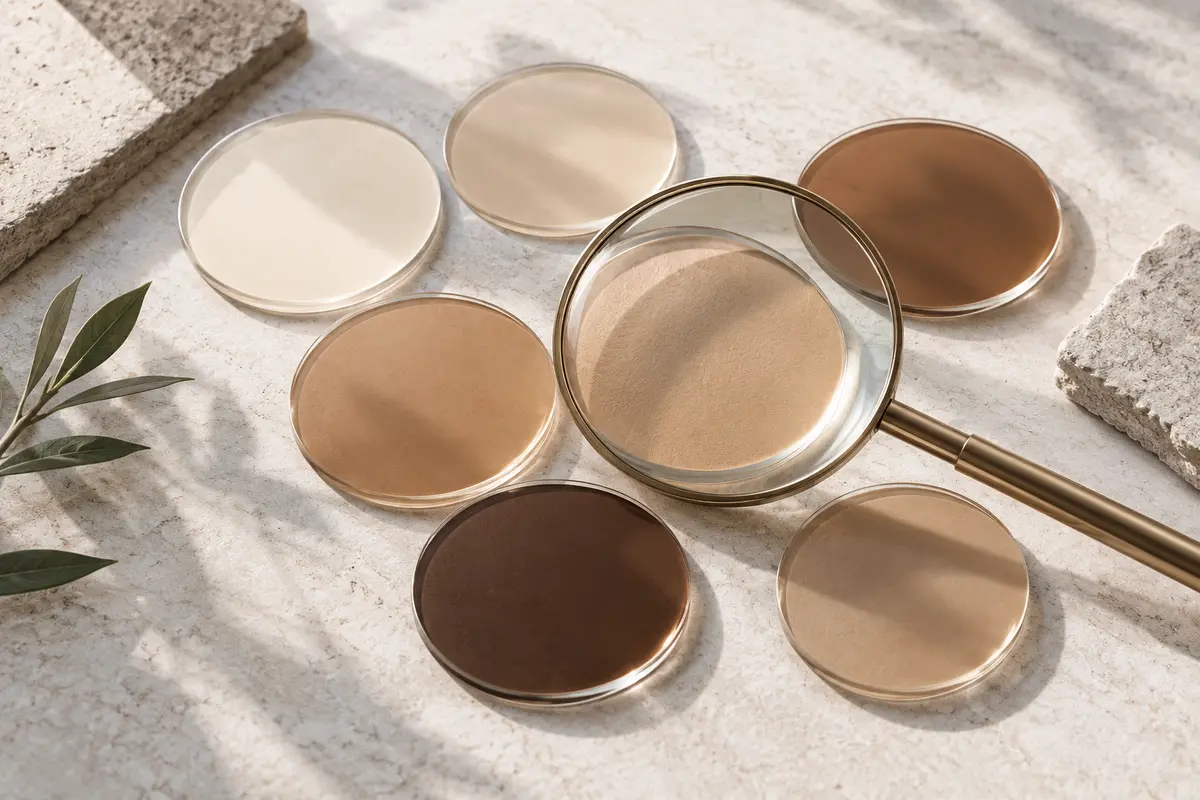
“Pigmentation” describes visible colour variation in the skin, but it is not a single condition. Freckles, sun-related spots, post-inflammatory marks and melasma-like patterns can behave differently and may require different management.
Why the cause matters
Colour may be influenced by sun exposure, inflammation, hormones, genetics, medications and previous treatments. Treating without considering the pattern and trigger can lead to disappointing results or, in some cases, further pigment change.
Cosmetic pigmentation versus a changing lesion
Cosmetic treatments are not a substitute for medical assessment. A new, changing, bleeding, symptomatic or unusual spot should be assessed by an appropriately qualified medical practitioner before cosmetic treatment is considered.
Sun protection is foundational
UV exposure can contribute to pigmentation and make recurrence more likely. Daily sun-protective behaviour is therefore an important part of most pigmentation plans, not simply an aftercare step. Follow current Australian sun-protection guidance and choose sunscreen appropriate for your skin and circumstances.
Treatment options vary
Depending on assessment, a plan may include targeted home care, professional peels, needling or another approach. Treatment must also consider skin tone, barrier condition, sensitivity, history of post-inflammatory pigmentation and the time of year.
Progress takes time
Pigmentation often needs gradual management and maintenance. Improvement may be uneven, and some forms can recur. A careful plan focuses on realistic progress while minimising unnecessary irritation.
If you are unsure whether a mark is suitable for cosmetic treatment, arrange assessment before booking a procedure.
This article provides general information only and does not replace medical advice. Treatment suitability, recovery and outcomes vary. A consultation with an appropriately qualified health professional is required before treatment.